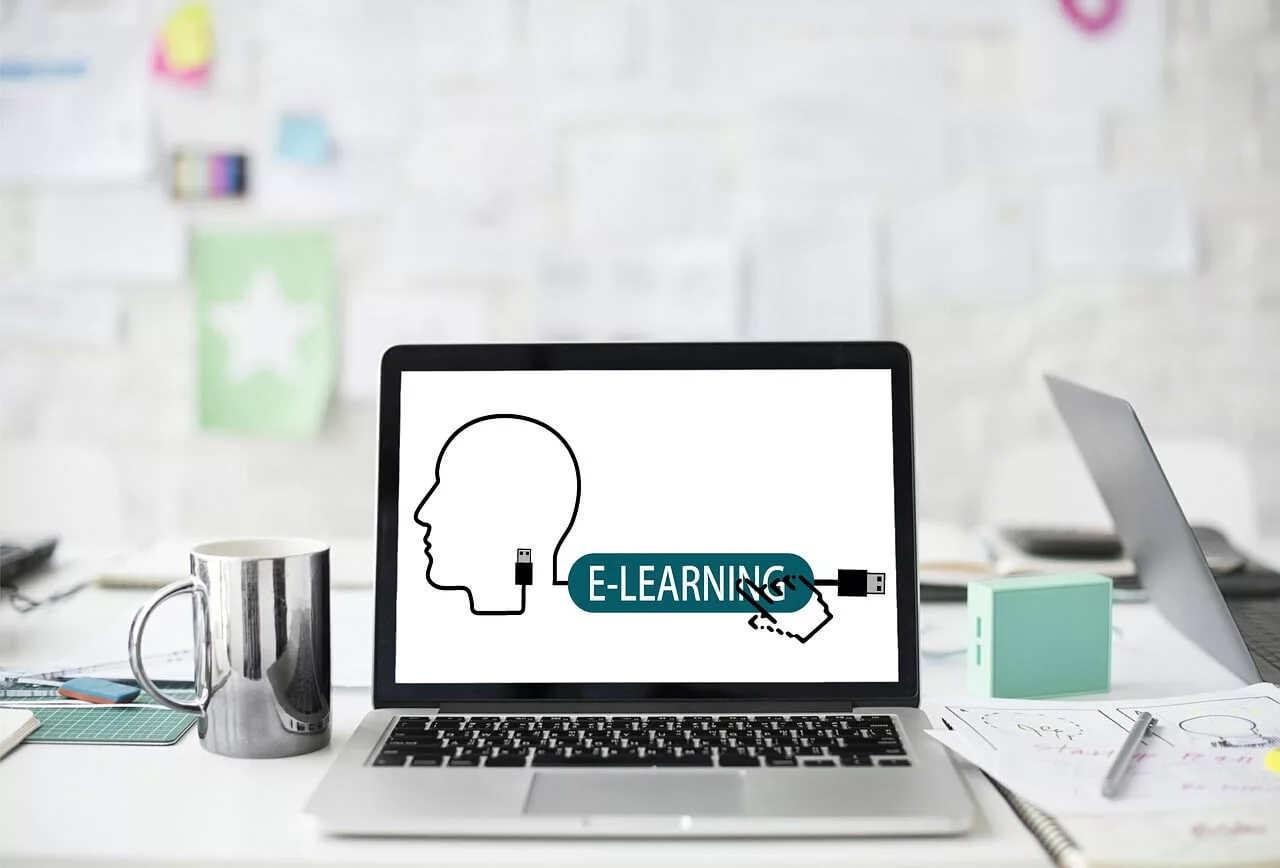

We have come a long way from the days when education only meant sitting in a classroom in front of a blackboard, eagerly taking notes as a professor dictates.
Game-changing e-learning trends
E-learning already became a must-have for modern students in many corners of the world, and interest in e-learning platforms and techniques keeps rising. Here are the game-changing trends shaping e-learning now.
1. Mobile learning
Mobile e-learning began as a set of solutions built to resemble the desktop platforms already available, and it is here to stay. Expect more and more apps designed specifically to help smartphone and tablet users educate themselves on the go, whenever they want.
2. Microlearning
So much to do in so little time. This is probably how most people felt during the last decade. As our appetites for knowledge and connection to the world grow, we begin to realize that a single day is rarely long enough for everything we set out to do.
This is why a trend called microlearning gained such traction and shows no sign of stopping. Consuming content and information in "bite-sized" chunks lets learners put the time they have into the self-improvement they are after. Even the busiest of schedules allow for a few minutes of reading, listening or playing an interactive educational game.
3. Collaborative learning
Good old collaborative, or social, learning is coming back in a big way. Sharing experiences and lessons is moving online, into forums, learning circles, and both formal and informal chats. As social learning proves more efficient and more accessible than formal training, companies keep finding reasons to support and nurture it.
4. Video-based and interactive learning
It’s no secret that video forms have become extremely popular in recent years. As far as we can tell, they will only be watched more. Their visual appeal and engaging nature make them perfect learning tools for students and workforce professionals alike.
Interactive videos turn learners from passive consumers of information into active, fully present participants, which holds their attention and helps the knowledge stick.
5. Self-directed learning
Whether you are a copywriter, a motion graphic designer, or a construction engineer, dedicated self-improvement and self-directed learning are what carry a career forward now.
Students and professionals will benefit from searchable, well-cataloged systems and personalized user-generated content created to help filter the vast offer of information. However, the basis of self-directed learning remains individual effort, proactivity, and perseverance.
6. Performance support tools
To learn more about a topic they’re interested in, apply what they’ve learned to solve real problems, and effectively clear any bottlenecks along the way, individuals turn to PSTs (performance support tools) for help and guidance. From written forms (post-it and quick reference notes) to electronic (apps, learning portals, forums, social media groups, etc.), PSTs serve one goal: increasing performance and nurturing productivity.
7. Boosting work-life skills
In a modern workplace, soft skills have become just as important as hard skills. Communication, empathy, leadership, collaboration, and proactivity are important in personal and professional life. Companies and educational institutions will work hard to provide appropriate conditions and e-learning tools to help develop and support these students and employees’ traits.
8. Game-based learning
Another e-learning trend is game-based learning. Games make learning fun and engaging for kids and adults alike. Carefully planned and created educational games help learners focus, stay interested, memorize better, and can even positively influence their behavior.
The gaming industry continues to feed e-learning platforms, from mobile apps to VR, AR, and interactive video.
9. Immersive learning
As Augmented, Virtual, and Mixed Reality (AR, VR, and MR) become more advanced, educators worldwide are using them to provide a truly immersive learning experience. The aim is to capture the students’ attention and engage them in educational content.
As the costs of these technologies drop, AR, VR, and MR are steadily joining mainstream e-learning.
10. Artificial Intelligence (AI) in learning
AI keeps giving educators data that helps them make learning more effective, and it adapts the pace and the material to the individual learner along the way.
Key takeaways on e-learning trends
Young people have built a strong preference for learning from smartphones and tablets. As the possibilities become more and more inspiring, students from all over the world start opting for online training and courses instead of or in addition to the traditional classroom-based methods.
That is why it is important for schools, companies, and course creators to keep up with what is new in e-learning trends.
FAQ
What is mobile learning and why is it important?
Mobile learning means using smartphones or tablets to study anytime and anywhere, and it is important because more learners will choose apps made just for their devices rather than desktop-only solutions.
How does micro-learning help busy learners improve?
Micro-learning helps busy learners by breaking content into short, bite-sized units that take a few minutes each, so learners can fit study into a packed schedule.
What role does video-based and interactive learning play in e-learning trends?
Video-based and interactive learning engage learners more deeply by turning passive watching into active participation, and this trend is set to grow because videos are visually appealing and can improve retention.
Why are game-based and immersive learning becoming more mainstream?
Game-based and immersive learning are becoming more mainstream because games make learning fun and immersive technologies like AR/VR capture attention, and the cost of those technologies is dropping so more educators will adopt them.
How is artificial intelligence transforming e-learning?
Artificial intelligence is transforming e-learning by providing educators with data that helps them personalise learning, and learners will benefit from systems that adapt to their individual needs in the learning process.