
Webinars are a powerful tool for attracting and engaging potential leads.
Understanding Webinar Costs and Essential Tools
They allow you to showcase the value of your business through education and interaction, building trust along the way. However, to use them effectively you need to know what one actually costs to plan and run.
From choosing the platform to paying for promotion and content, every decision moves the budget. Knowing the figures upfront is what keeps the surprises out and lets you put the money where it earns something back.
The success of a webinar hinges on how well you connect with your audience. By offering a personalized experience where attendees can hear your voice and see your face, you can foster stronger relationships. This guide will walk you through the costs of hosting an engaging virtual event. It covers everything from equipment to promotion. You will learn how to create a webinar that delivers real results.
The cost of hosting a webinar depends on your goals and the tools you choose. From basic setups for beginners to advanced platforms packed with features, there are solutions to fit every budget. While you can start with minimal investment, it is worth noting that higher-quality experiences usually come with higher costs. Choosing a reliable webinar platform can make a big difference in how your event performs. Look for services that include interactive tools, on-demand access, and free trials to test features before committing. When comparing options, it helps to line the well-known platforms up against each other and see what each price point actually buys. This way, you can better understand how much to allocate for engagement tools, branding, and technical support. Let’s explore how to build a successful webinar and make smart choices about where to invest.
Basic equipment
At the core of your webinar setup is the laptop or desktop you’ll be using to host your event. Many registrants attend webinars using mobile devices. However, the host should avoid doing the same. Some advanced features and integrations work best on a computer. A reliable laptop helps your presentation run smoothly. It also reduces the risk of technical issues like poor video quality or limited functionality. This ensures a better overall experience for everyone. If you don’t already have one, consider the following devices, each offering unique benefits for webinar hosting:
Laptop
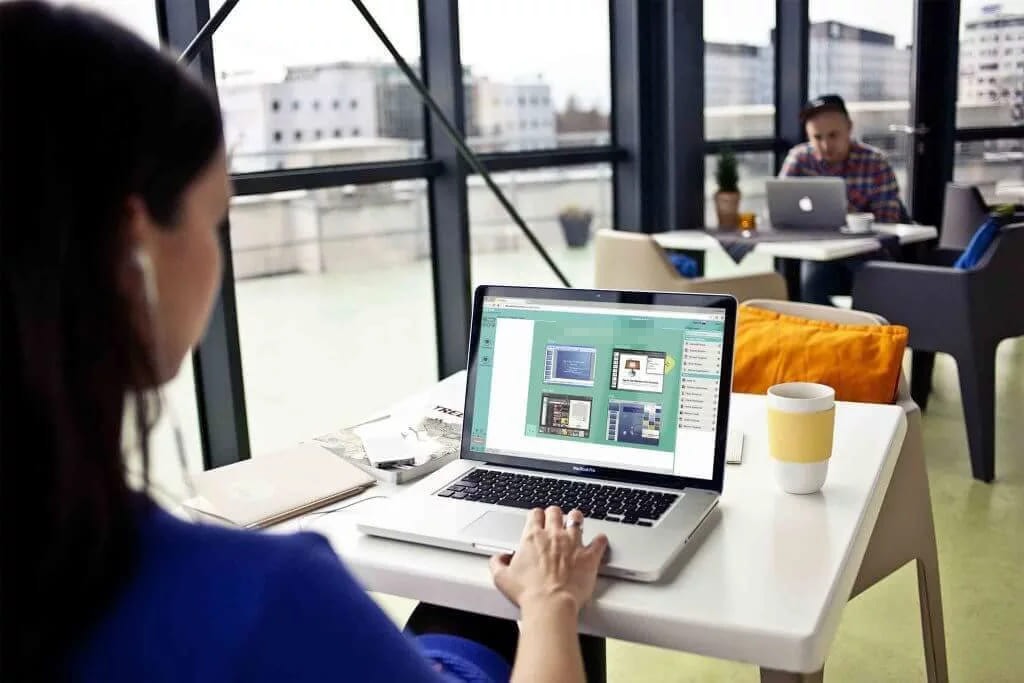
For example, here are a few good laptop options to consider for webinar use:
A business ultrabook such as the Lenovo ThinkPad X1 Carbon. Strong performance and long battery life, at the top of the range for a laptop used professionally.
A MacBook. Reliable, and it handles multimedia smoothly, which matters if you play video during a session.
A budget laptop or a Chromebook. Enough for basic webinar needs such as video streaming and screen sharing, at a fraction of the price.
The most remarkable thing about the MyOwnConference webinar software is that it works smoothly right in your favorite browser, and you do not need to install any extra programs to use it. It also runs well on Chromebooks, which is not a given for webinar software. This ensures that users can start webinars effortlessly in just a few clicks, even on budget-friendly hardware. Chromebooks are widespread in schools and universities, which makes browser-based software a practical fit for education and plenty of other settings.
Video and audio quality
A high-quality video stream is essential for keeping your audience’s attention. A good webcam can make a big difference. Most laptops have built-in cameras, but they may not deliver the best quality. Using a separate webcam, such as the Logitech HD Pro Webcam C920 for roughly $70 at the time of writing or the Logitech HD Laptop Webcam C615 and the C615 for roughly $25, can improve visual clarity. This upgrade adds a more professional look to your presentation.
Read also: Choosing Camera and Microphone for a Webinar
Equally important is the audio quality. Webinars often suffer from poor sound, which can turn off even the most engaged audiences. A good microphone is essential for ensuring your message comes across clearly. The Blue Yeti microphone ($150) is a popular choice for webinar hosts, offering clear, crisp sound. For those on a tighter budget, the Blue Snowball iCE ($45) provides a solid alternative without compromising too much on quality.
Creating a memorable presentation
Beyond hardware, the content of your webinar is a critical factor in its success and also contributes to the overall webinar cost. Tools like Canva, Prezi, and Keynote offer templates and customizable options that allow you to design engaging, visually appealing slideshows that capture and retain your audience’s attention. Canva and Prezi both run on monthly subscriptions in the low tens of dollars, and Keynote comes free on Apple devices. These tools can help you create content that resonates with your audience, making it easy to deliver your key messages in a visually compelling way.
Read more about The Best Techniques for Creating e-Learning Presentations.
Choosing the right webinar hosting platform
One of the most important decisions in the webinar planning process is choosing the right platform. With many platforms offering free trials, it’s important to explore which one best fits your needs. A good platform will offer multiple interactive features, such as live chats, polls, and Q&A sessions, which drive engagement. For instance, MyOwnConference is a robust webinar platform that offers both free options and paid plans starting at €22 per month, making it an affordable choice for smaller events or businesses just getting started.
Promotion and advertising
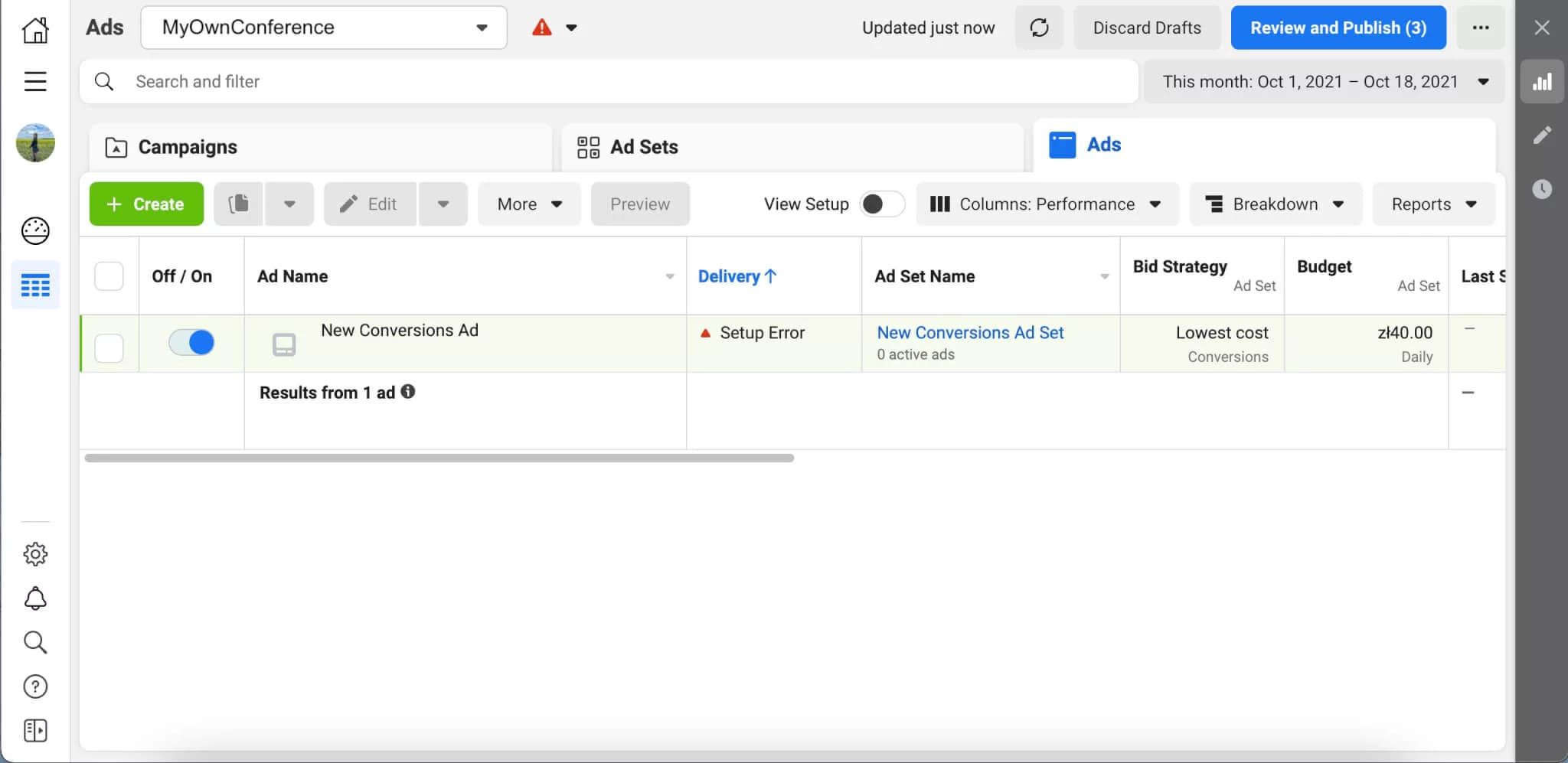
Even the best-planned webinar won’t deliver results if no one knows about it. Promoting your event is essential to drive a large number of attendees and should be factored into your webinar cost. While there are free ways to advertise your webinar, such as promoting it on social media or using mailing lists, investing in paid promotions can significantly increase your reach. Facebook Ads or Google Ads are effective tools for targeting specific audiences and driving webinar registrations. What a campaign costs depends entirely on how competitive your audience is to reach, so set a small budget first and measure the cost per registration before scaling it.
Read also: 35 Tools for Webinar Promotion
To maximize conversions, consider partnerships or influencer collaborations, which can bring your webinar to the attention of new, larger audiences. Influencers can promote your webinar to their own following, leveraging their credibility to help generate interest and sign-ups. Whether through organic reach or cross-promotion strategies, this approach can help boost both awareness and attendance for your event.
Hiring a guest speaker
If you want to add more value to your webinar, inviting a guest speaker can make a big impact. While some well-known speakers may charge hefty fees, others might be willing to participate in exchange for exposure or a chance to spotlight their expertise. Guest speakers can bring in their own audiences and add depth to your content, which can lead to higher engagement and better overall feedback. Fees vary so widely that a single range would mislead you, because they turn on the speaker's audience, the format and whether they see your event as promotion for themselves. Ask two or three people what they charge for an hour and you will learn more about your own market than any published figure can tell you.
The total cost of hosting a webinar
All things considered, the cost turns on two questions rather than one. What do you already own, and what does the event itself need.
Equipment is the part people overestimate, because a laptop with a working camera and a quiet room already clears the bar. Everything in the hardware section above is an upgrade, not an entry ticket, and none of it is needed for your first event.
The platform is the part people underestimate, because it is the only line that repeats every month. Here is what three realistic setups cost on this platform, with prices as published on our pricing page in September 2026 and billed in euro.
| Setup | What you pay |
|---|---|
| Testing the format, up to 5 attendees | Nothing, the free Starter plan |
| A one-off event, up to 20 attendees | From €11 for 24-hour access |
| A regular programme, up to 100 attendees | €49.50 per month, or €475.20 for a year |
Paying yearly costs about a fifth less than paying by the month, which matters only once you are running events regularly. For a single event the 24-hour plan is almost always the cheaper answer, and a lot of people pay for a month without noticing it exists.
Beyond that, the honest answer to "what does a webinar cost" is that the platform is predictable and everything else is not. Advertising has no ceiling, a guest speaker has no standard rate, and both are optional. Start with what repeats, add what the specific event needs, and measure the cost per registration before you scale any of it.
Ultimately, whether you’re hosting a smaller event or a full-scale virtual conference, the key to success lies in preparation, strategy, and making informed decisions about where to allocate your resources.
Start today by signing up with the webinar software platform MyOwnConference for free.
Still have questions?
What are some typical costs associated with hosting a webinar?
Some typical costs associated with hosting a webinar include equipment (e.g., microphone, camera), software (e.g., webinar platform, video editing software), promotional expenses (e.g., social media ads, email marketing), and possibly the cost of hiring additional staff or consultants.
Do I need to purchase expensive equipment to host a webinar?
While it is possible to host a webinar with just a computer and a webcam, investing in higher-quality equipment (e.g., a professional microphone or camera) can help improve the overall quality of the webinar and make it more engaging for participants.
Are there any hidden costs I should know when hosting a webinar?
Depending on your webinar’s specific needs, additional costs may be considered, such as the cost of hiring a professional speaker or the cost of post-webinar editing and production. Therefore, it’s essential to consider all potential costs and budget accordingly to ensure a successful and cost-effective webinar.