The pandemic years turned everything on its head. Very little worked the way we were used to.
How to Give Important Conferences Online?
We had to adjust our lives to our current circumstances. We learned how to work from home and stay isolated for a long time.
Many of the skills we picked up then were new to most of us. Remote work, for one, was quite atypical for the majority of the population. However, it was obvious from the beginning that we are in it for a long time. So many of us started to get used to these necessary changes in our personal and professional life.
Work-related changes came with the need to shift all our business communication solely to the online world. It was a challenge at first, but we have managed to make the most of it. Having online meetings, working from home, and giving online presentations are the new work norm.
We even had to learn how to give important conferences online. It was a challenge, but we have managed to do it as well. Let’s break down some essential tips on how to prepare for an important online conference.
The basics of hosting virtual events
Let’s start by pointing out the obvious. Preparing online events is never easy. It did not become easier just because it has moved to the digital world. In fact, it has even become harder in a way since no one has established the rules for such things yet. However, it shouldn’t be an obstacle but a challenge. After all, if there are no strict rules on how to prepare an online conference, you have no harsh restrictions to follow.
Technical aspects
Also, don’t neglect the technical aspects of the whole thing. Just checking your microphone, camera, and speakers beforehand is already a good start. Choose the platform for the call ahead of time, and get familiar with it if you are not already.
See what microphone works best for you, the one on the laptop or, perhaps, in your headset. Making sure that every little detail is perfect will greatly advance your experience during the conference.

Running your presentation or any other visuals or other media that you want to share with an audience before the conference can also be a good idea. Being ready for whatever happens takes a good deal of the stress out of it. And you keep looking professional if you can handle a technical problem on the fly.
Video
Participating in an online conference is similar to any live conference. You need to think about your appearance as well as your background. It is easy to miss something important when you turn on your video conferencing.
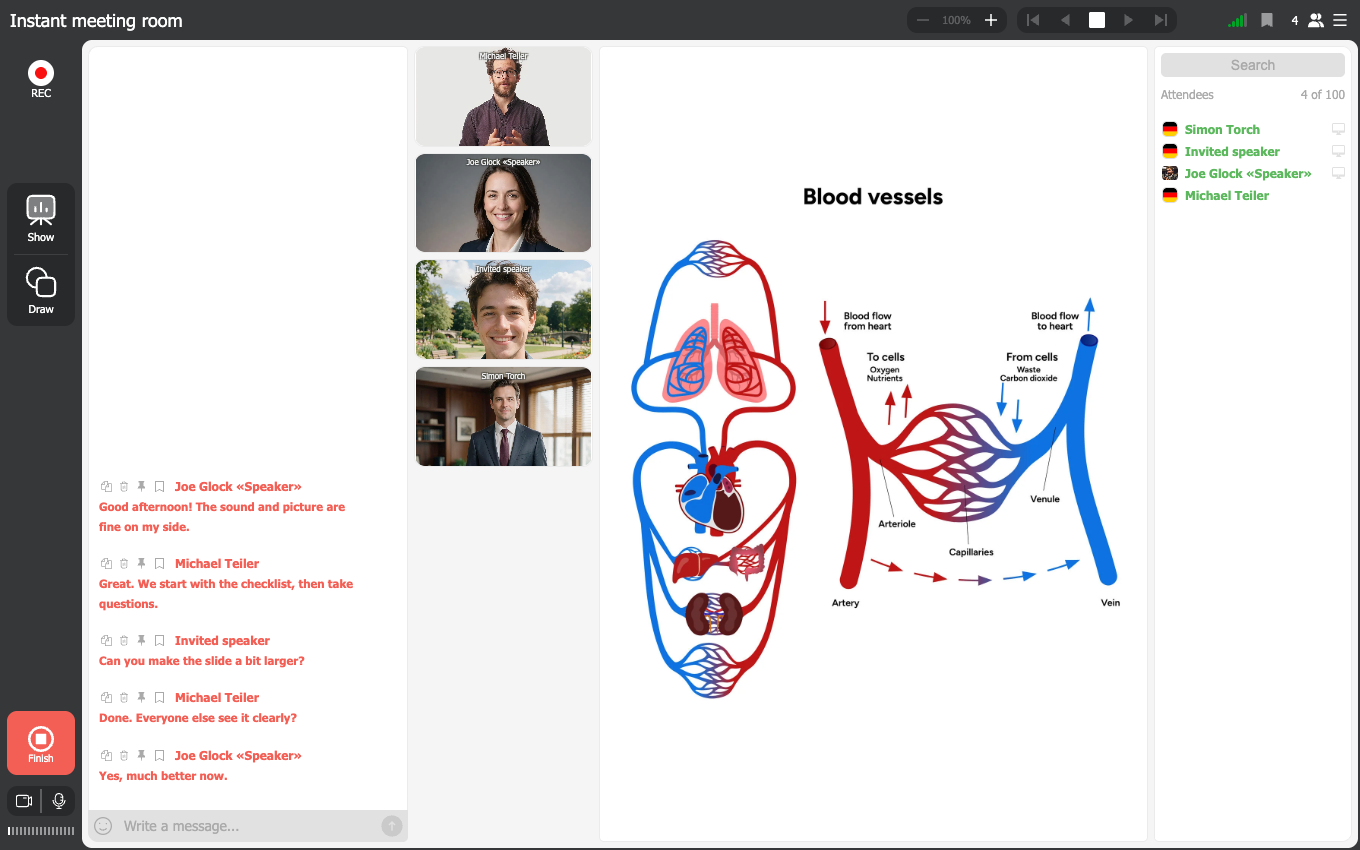
However, it’s good to know how your background will look while you are talking. Nothing should distract your listeners or show you in a bad light. Also, it’s better to use a laptop stand to create a higher angle for the camera. Seek natural light, if possible.
Set the tone and format of the conference
Once the conference has started, you can barely change anything. This is why you should establish all the rules ahead. Setting the right tone at the very beginning is very important. Firstly, find the format that can fit the topic and goal of the conference. Can participants ask questions? How many speakers are you going to have? How much time can each speaker have? Will you have a headliner, or will each speaker get equal time and attention? If you want it to be interactive, how do you want to arrange that?
These are just a few basic questions that you and your future audience should know in advance. Don’t forget to choose a person who will introduce each speaker. Create a plan for the breaks. Once you already have a final schedule for the conference, send it out to your registered audience ahead of time.
Start the conversation
A good conference does not end when everyone says goodbye and leaves the room. The topic should carry on as an open conversation that you started. Even when the conference has ended, you still have work to do.
You can create a short quiz or questionnaire and ask your participants to answer a few questions after the call is over. Make notes during the conference. See what people have to say. Collect everyone’s answers and make a summary of them.
Post-conference notes and emails are a good way to thank everyone for joining and to share what the meeting concluded.
Summary of preparing for an online conference
Successful online conferences depend on thoughtful preparation and seamless execution. Begin by familiarizing yourself with technical requirements and platforms in advance to avoid disruptions once the event goes live. Ensure your audio-visual setup is polished and your physical background supports a professional and engaging presence. Define the structure and tone of your conference early on so both speakers and attendees know what to expect. After the formal session ends, move naturally into a follow-up stage where you invite participants to join post-event surveys or quizzes, thank everyone with personal messages, and use the insights you collected to make future events better. When you apply these simple habits, your online conference grows from a remote meeting into a lively and meaningful experience that brings real value to everyone involved.
FAQ
What basic steps should I take when hosting a virtual event?
You should start by recognising that organising an online conference is never easy and in some ways harder than in-person events. Check your technology, define the event format, plan your agenda and make sure every little detail is managed so that your experience is professional and smooth.
Which technical aspects matter most for a smooth online conference?
You must test your microphone camera and speakers ahead of time. Choose the platform early, familiarise yourself with it and run a rehearsal so that you are confident your equipment works and you are ready for any scenario.
How should I present myself and my background on video during the event?
Think about your appearance and the background visible on camera. Nothing should distract your audience or make you look unprofessional. Elevate your camera angle and if possible use natural light so you appear engaging and credible.
What is the best approach to setting the tone and format of my conference?
Decide ahead of time how many speakers you will have, how long each will speak, whether participants can ask questions and how interactive the event will be. Once the conference has started you will have limited ability to change things so preparing the schedule and sending it to participants in advance is key.
What should I do after the online conference has ended?
A good conference does not end when you say goodbye. You can send out a short questionnaire or survey, compile notes, send thank-you emails and share conclusions. This keeps the engagement going and helps you build on the event’s success.