
Webinars offer great opportunities for people with disabilities. They make it easier to study, work, hold online meetings, get extra income, and realize your potential.
Webinars for people with disabilities
This article will share feedback from clients and participants of webinars, online seminars, and conferences.
The pros of webinars
Inclusion
Inclusion is the process of involving people with disabilities in an active social life. So webinars are a simple step towards inclusion. For instance, a person with a disability can study and communicate with other people more easily via online seminars and video conferences.
Convenience
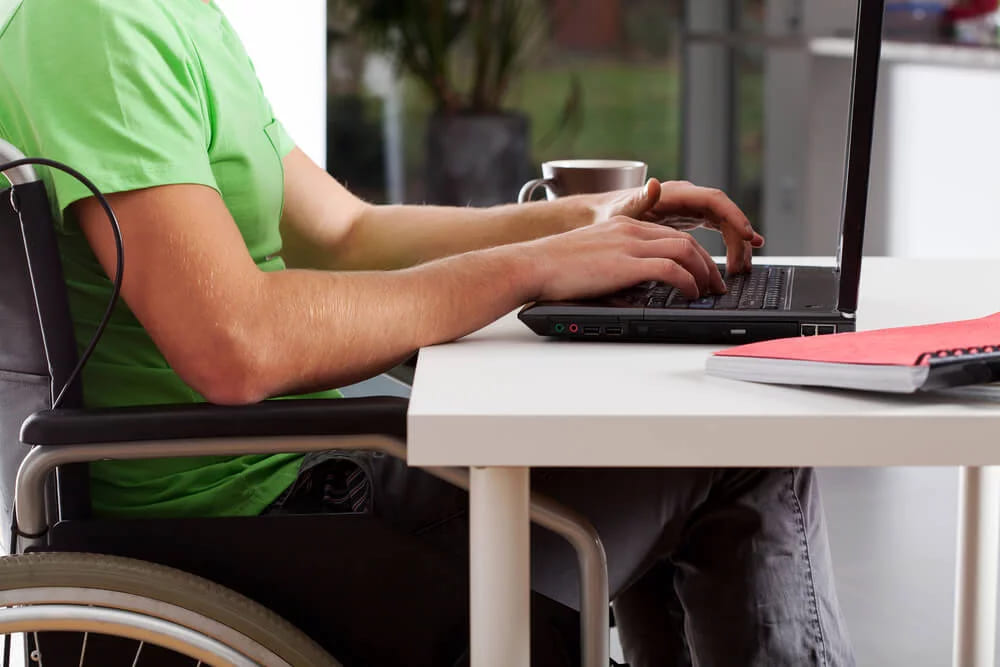
You can host or participate in a webinar without leaving your home. This is especially important for cities that are not wheelchair accessible.
Simplicity
You don’t need a specialized technical education to run a webinar. If you know how to use a computer or social networks, watch YouTube, or do online shopping, you’ll have no problem organizing a webinar.
Conducting a webinar may not be as easy as it looks initially, but you don’t need special technical skills to pull it off. A tech support team and numerous video tutorials will help you understand how the webinar service works.
Availability
It often doesn’t cost anything to participate in a webinar, nor is it pricey to host one. In other words, you just need a computer with internet access, a good headset, and webinar service.
You won’t spend much on webinar providers if your audience is not too big. For example, with a webinar provider MyOwnConference, you can host webinars for 5 people at no cost.
Variability
A webinar carries the same material through more than one channel at once, so people can take it in whichever way suits them. Somebody who does not see well can simply listen. People who are hard of hearing will find it easier to communicate via chat and get information from presentations.
How to use webinars
Webinars for education
Online education can help you acquire new knowledge and even a new profession. Some universities issue diplomas and certificates for taking their classes online.
How does it work? You will have a schedule filled with webinars and lectures. The teacher will send you additional materials, textbooks, and videos. Above all, there will be intermediate tests and a final exam.
As you can see, the format is not much different from the traditional classroom experience, except you no longer need to commute. Here are more reasons to love distance education.
It is important to note that the quality of your online education will be just as good. For somebody whose mobility is limited, the format removes the part that was hardest, which is getting there. Watching in the evening and working through the material in the morning is a schedule you set yourself, and a qualification earned that way counts the same.
Webinars for communication
People who are forced to spend a lot of time at home due to the limited accessibility often lack communication. Webinars can help make up for that.
For example, you may create support groups, talk to like-minded individuals, invite experts such as psychologists, rehabilitation specialists, lawyers, etc.
Parents of children with health disorders can benefit from webinars as well. This is where they learn how to care for their children and help them find their place in the world.
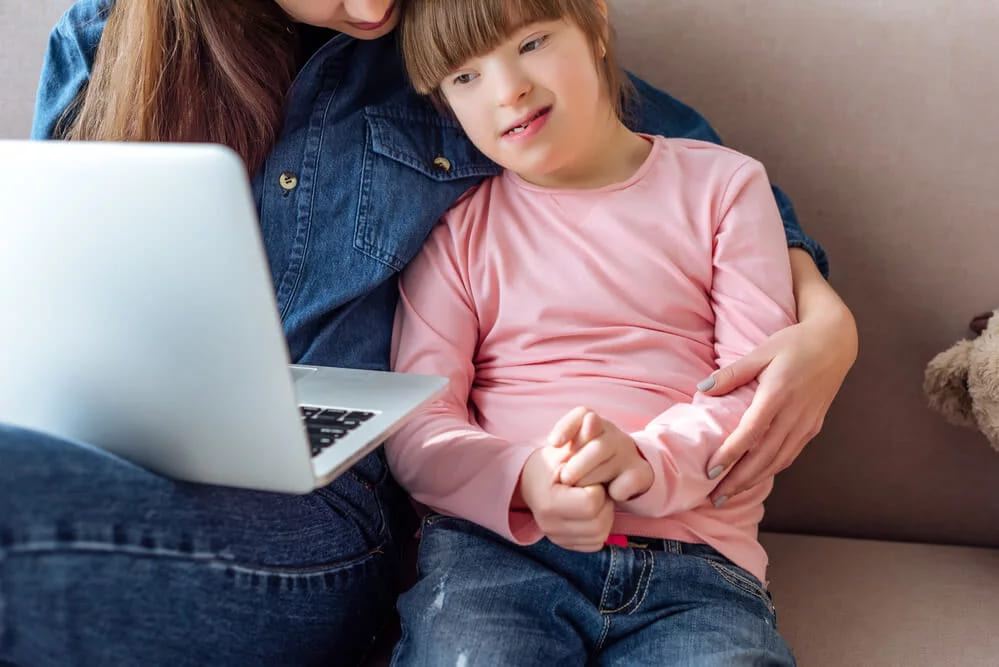
Some webinars teach about financial assistance from the government and various organizations. Thanks to such events, parents stay informed and feel less alone.
For a parent weighing whether their child can manage an ordinary school, hearing how other families handled the same question is often what settles it.
Webinars for income
Webinars are a great way to profit from sharing your knowledge. We’ve already talked about how to make money off e-learning.
Somebody whose skill survived an injury that ended the job around it still has the skill. A photographer who can no longer take on shoots can still teach photography, and a webinar is a way to charge for that without a studio or a commute.
Key takeaways on people with disabilities
Webinars solve a great many problems for people with disabilities, particularly those living in cities that were never built with them in mind. Thanks to online seminars and conferences, such people find it easier to communicate with others, work, study and, most importantly, feel happy and fulfilled.
MyOwnConference offers charities and nonprofit organizations a discount on webinar rooms, so write to us if that applies to you.
FAQ
How can webinars help people with disabilities?
Webinars give people with disabilities a chance to learn, socialize and work without needing to travel. They help include those living in places with poor physical access into education, communication and income-generating opportunities.
Do I need technical skills to host a webinar?
No special technical training is required. If you know basic computer use or how to use social networks you can manage a webinar. And support staff or tutorials can guide you through things you don’t yet know.
Which disabilities benefit most from webinars?
Webinars work well for visual impairment when audio is used. They are also good for people with hearing loss when chat or captions are available. Thus a mix of speech, chat and visual content helps different needs.
Can webinars generate income for people with disabilities?
Yes they can. People can teach what they know online via webinars and earn money. Some turn their personal skills or knowledge into paid online courses or sessions.
How can organizers make webinars more accessible?
Organizers should include captions or transcripts, use clear visuals and audio quality, allow chat interaction, and offer flexible formats so participants with different needs can engage comfortably.